

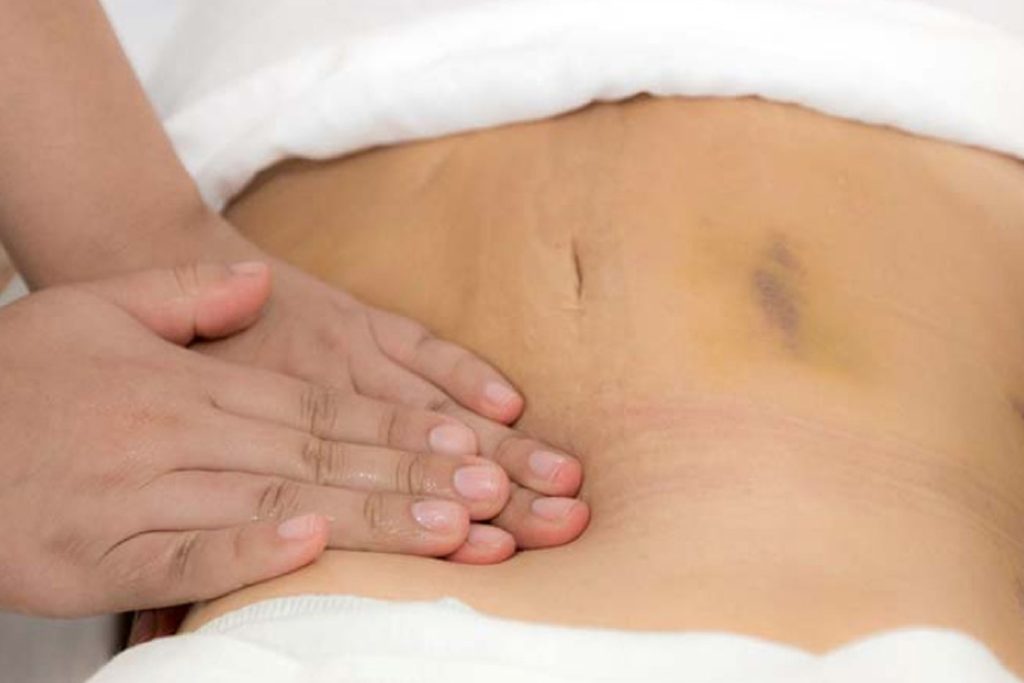
When patients ask me what they can do to improve their plastic surgery results, my first answer is always the same: take your lymphatic drainage massage seriously.
This isn’t optional aftercare or a nice-to-have luxury. Lymphatic drainage massage is a critical component of your recovery that directly impacts your final results. Patients who commit to their massage protocol consistently heal faster, have less swelling, experience fewer complications, and achieve better outcomes than those who skip it.
Yet many patients don’t fully understand what lymphatic massage is, why it matters, or how to do it right. This guide explains everything you need to know.
Understanding Your Lymphatic System
To understand why lymphatic massage helps, you need to understand what the lymphatic system does.
Your lymphatic system is like a secondary circulatory system that runs throughout your body. It consists of a network of vessels and nodes that collect fluid, waste products, and debris from your tissues and transport them back to your bloodstream for processing and elimination.
Unlike your blood circulation, which has your heart to pump it, your lymphatic system has no pump. It relies on muscle movement, breathing, and manual manipulation to keep fluid flowing. When you’re sedentary, lymphatic flow slows down. When you’re recovering from surgery and moving less than usual, it slows down significantly.
What Surgery Does to Your Lymphatic System
Plastic surgery, particularly procedures involving liposuction, is traumatic to your lymphatic system. The cannula used for liposuction disrupts lymphatic vessels in the treated areas. Your body responds to surgical trauma with inflammation, which produces excess fluid. Meanwhile, your normal lymphatic drainage pathways have been damaged and can’t efficiently remove this fluid.
The result is swelling — significant swelling that can persist for weeks or months. Without intervention, this fluid can accumulate in pockets called seromas. The fluid and inflammatory byproducts can also contribute to fibrosis, the formation of hard, lumpy scar tissue beneath your skin.
This is where lymphatic drainage massage comes in. By manually stimulating lymphatic flow, a trained therapist helps your body remove excess fluid, reduce swelling, prevent seromas, and minimize fibrosis — leading to faster healing and better results.
Benefits of Lymphatic Drainage Massage After Surgery
The benefits of proper lymphatic massage are significant and well-documented.
Faster Swelling Reduction
Swelling is unavoidable after surgery, but how quickly it resolves varies dramatically. Patients who receive regular lymphatic massage typically see swelling resolve weeks faster than those who don’t. You’ll see your actual results sooner, and you’ll be more comfortable during recovery.
Seroma Prevention
Seromas are collections of fluid that can accumulate in the spaces created by surgery. They may require drainage with a needle if they become large, and they can delay healing. Regular lymphatic massage helps prevent seromas from forming by keeping fluid moving through your system.
Reduced Fibrosis
Fibrosis — the formation of hard, lumpy scar tissue — is one of the most common complaints after liposuction. It makes the treated areas feel firm and uneven, and it can take months to resolve on its own. Lymphatic massage, especially when combined with techniques that break up forming scar tissue, significantly reduces fibrosis and improves the smoothness of your final result.
Better Contouring
By reducing swelling and fibrosis, lymphatic massage allows your true surgical results to show through. Patients who commit to their massage protocol often see better final contours than those who skip it, even though they had the same surgery.
Improved Comfort
Beyond the aesthetic benefits, lymphatic massage simply makes you feel better during recovery. Reduced swelling means less tightness and discomfort. Many patients report that their massage sessions are the highlight of their recovery days.
When to Start and How Often
Timing matters for lymphatic massage.
When to Begin
Most surgeons recommend starting lymphatic drainage massage between day three and day five after surgery. Starting too early, when tissues are at their most fragile, can cause problems. Starting too late means you’ve missed the optimal window for swelling management.
Your surgeon will give you specific guidance based on your procedure and healing. Follow their timeline.
Frequency in Early Recovery
During the first two weeks, daily or every-other-day sessions are ideal. This is when swelling is most significant and when massage makes the biggest difference. If you’re recovering at a recovery house in Santo Domingo, lymphatic massage is often available on-site or arranged through the facility.
Ongoing Sessions
After the first two weeks, frequency typically decreases to two or three times per week, then once or twice per week, tapering over four to eight weeks total. The total number of sessions varies by procedure and individual healing, but most patients benefit from eight to fifteen sessions.
For International Patients
If you’re traveling to the Dominican Republic for surgery, your massage protocol will begin during your recovery stay. Before you return home, ask your recovery house or coordinator for guidance on finding a qualified therapist in your home city to continue treatment.
What to Expect During a Session
If you’ve never had lymphatic drainage massage, here’s what a typical session involves.
Setting and Preparation
Sessions typically take place in a treatment room or at your recovery accommodations. You’ll undress to expose the treated areas, though you can remain covered as much as possible for comfort. Let your therapist know about any areas of particular concern or tenderness.
The Technique
Lymphatic drainage massage looks and feels very different from regular massage. The pressure is extremely light — much lighter than you might expect. The therapist uses gentle, rhythmic, pumping movements that follow the pathways of your lymphatic system, directing fluid toward lymph nodes where it can be processed.
The technique should never be painful. Some areas may be tender from surgery, and a good therapist will work carefully around them. But the massage itself uses such light pressure that it shouldn’t cause discomfort.
Session Duration
A typical session lasts 45 to 60 minutes, though this varies based on the extent of your surgery and the areas being treated. Some therapists incorporate other techniques like ultrasound or radiofrequency to enhance results.
After the Session
You may notice increased urination after lymphatic massage — this is normal and indicates that your body is eliminating the fluid that was mobilized. Some patients feel tired after sessions as their body processes the released fluid and debris. Drink plenty of water to support the elimination process.
Finding a Qualified Therapist
Not all massage therapists are trained in lymphatic drainage, and the quality of your therapist matters significantly.
Certifications to Look For
Look for therapists with specific training in Manual Lymphatic Drainage (MLD). Recognized certification programs include Vodder, Földi, and Leduc methods. Ask about their training and experience with post-surgical patients specifically.
Experience with Plastic Surgery Patients
A therapist who regularly works with plastic surgery patients understands the specific needs of surgical recovery. They know how to work around drains, incisions, and sensitive areas. They understand the timeline of healing and adjust their approach accordingly.
Questions to Ask
Before booking, ask: What MLD training have you completed? How often do you work with plastic surgery patients? Are you familiar with recovery from my specific procedure? Can you provide references from other surgical patients?
In Santo Domingo
If you’re recovering at a recovery house in Santo Domingo, lymphatic massage is typically available through the facility or their recommended providers. Ask your coordinator about the therapists’ qualifications and experience.
Can You Do Lymphatic Massage Yourself?
While professional sessions are important, especially in early recovery, you can supplement with self-massage between appointments.
Basic Self-Massage Techniques
Your therapist can teach you simple techniques to use at home. These typically involve gentle, circular movements toward lymph node clusters in your armpits and groin. The pressure should be very light — as if you’re moving the surface of the skin without pressing into the tissue beneath.
Limitations of Self-Treatment
Self-massage is helpful as a supplement but cannot replace professional treatment, particularly in the first two weeks when expert technique matters most. You can’t reach your own back, and it’s difficult to perform effective drainage on yourself while also recovering from surgery.
Tools That Can Help
Some patients find foam rollers or massage guns helpful for maintaining results between sessions. However, use these tools only after your surgeon or therapist confirms it’s safe — too much pressure too soon can cause damage.
Conclusion
Lymphatic drainage massage isn’t a luxury add-on to your recovery — it’s a critical component that directly impacts your results. Budget for it. Schedule it. Show up for every session. Your future self will thank you when you see your final results.
The patients who achieve the best outcomes are the ones who take recovery as seriously as they took choosing their surgeon. Lymphatic massage is a major part of that commitment.