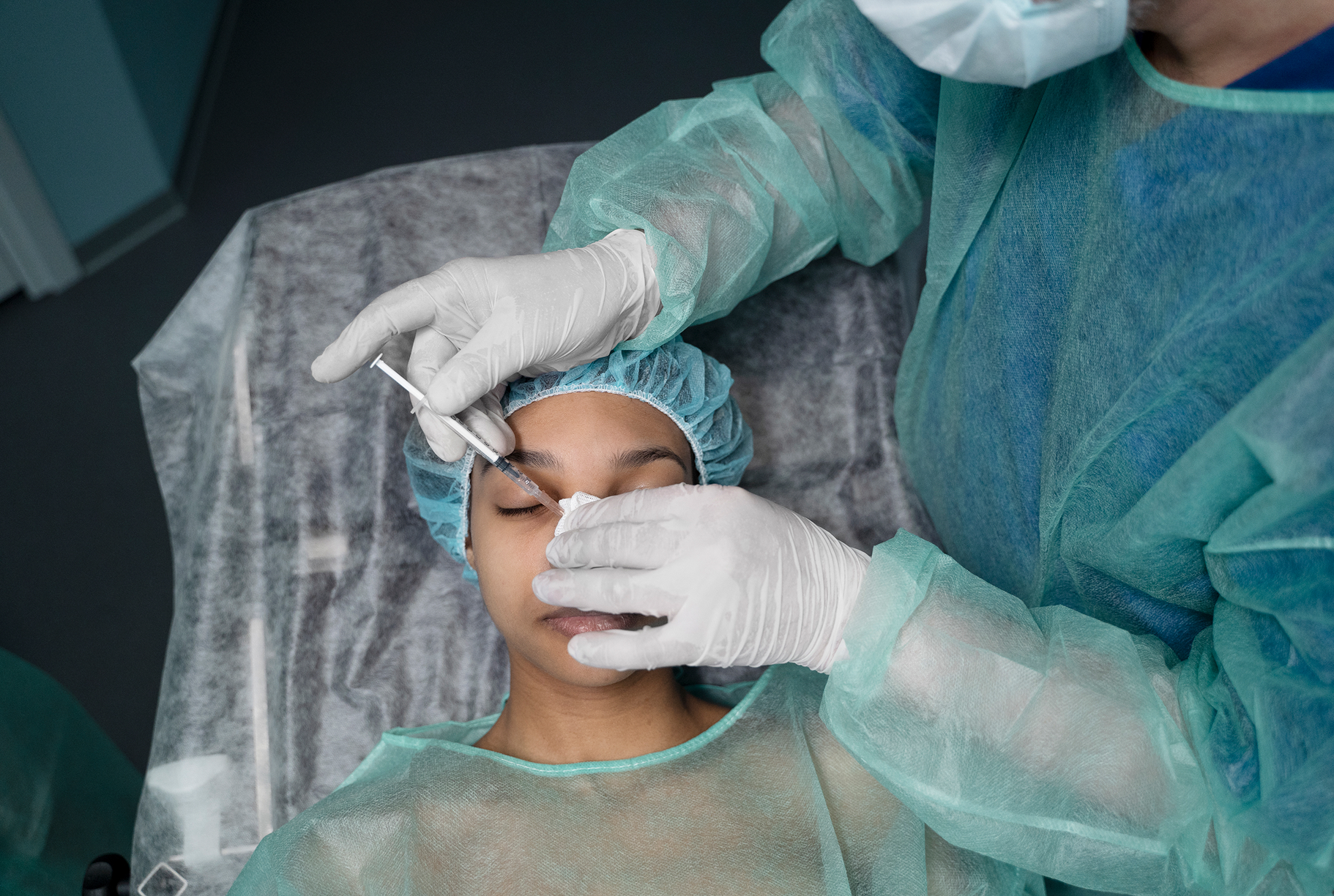
The Dominican Republic has become one of the world’s leading destinations for plastic surgery, but with this growth has come increased scrutiny of safety standards. Dr. Jose Mora built his practice on a simple principle: no cosmetic improvement is worth risking your life.
While other surgeons may accept patients that Dr. Mora declines, his safety-first approach has earned him a reputation as one of the few surgeons in the DR who consistently puts patient welfare above profit. This page outlines the specific protocols that protect every patient who trusts Dr. Mora with their care.
Dr. Mora is a verified member of SODOCIPRE (Sociedad Dominicana de Cirugía Plástica, Reconstructiva y Estética)—the Dominican board that certifies plastic surgeons who have completed accredited residency training. This distinguishes him from general practitioners who may perform cosmetic procedures without specialized surgical training.
Patients can verify his membership directly at sodocipre.net.
Every surgical patient must receive clearance from a cardiologist before Dr. Mora will operate. This evaluation assesses heart health and ability to tolerate anesthesia. Patients with uncontrolled conditions are referred for treatment before surgery is considered.
Unique among most plastic surgeons, Dr. Mora requires pulmonary (lung) clearance for all abdominoplasty patients. Tummy tuck surgery involves tightening abdominal muscles, which temporarily restricts diaphragm movement and lung expansion. This evaluation ensures patients can safely tolerate this restriction.
Maximum BMI: 35 (and surgery may be declined even below this threshold based on other factors)
Recommended BMI: Under 30
Elevated BMI significantly increases surgical risks including blood clots, fat embolism, wound healing complications, and anesthesia complications. Dr. Mora will decline surgery for patients whose weight puts them at unreasonable risk—even when other surgeons are willing to proceed.
All lab work must be repeated in the Dominican Republic before surgery, regardless of results from your home country. This ensures current values and prevents issues from falsified or outdated results. Dr. Mora has postponed surgeries due to abnormal hemoglobin, clotting factors, or other concerning findings.
Maximum per session: 2 major procedures + 1 minor procedure
This limitation exists because extended surgical times increase risks of blood loss, anesthesia complications, and blood clots. While combining procedures saves recovery time, Dr. Mora will not exceed safe limits regardless of patient requests.
All surgeries are performed at CIPLA (Centro Internacional de Cirugía Plástica Avanzada), an established surgical center with modern equipment, trained staff, and emergency protocols. Dr. Mora does not operate in hotel rooms, unaccredited clinics, or facilities without proper emergency capabilities.
Patients are not cleared to travel home with drains in place. Drains are removed by Dr. Mora or his team (typically days 7-12) before travel clearance is given. This prevents complications from improper drain management during air travel and ensures Dr. Mora personally assesses healing before departure.
Dr. Mora reserves—and frequently exercises—the right to decline surgery when he believes the risk outweighs the benefit. This includes patients with excessive BMI, unrealistic expectations, concerning medical histories, or requests for procedures he deems unsafe.
This policy has cost him patients and revenue, but it has also prevented complications and built a reputation that safety-conscious patients actively seek out.
You may have read concerning reports about cosmetic surgery safety in the Dominican Republic. These concerns are valid—a January 2024 CDC report documented 93 U.S. citizen deaths following cosmetic procedures in DR between 2009-2022.
However, the report also identified key risk factors: operations at unaccredited facilities, procedures performed by non-plastic surgeons, lack of proper pre-operative evaluation, excessive procedure combinations, and operations on high-BMI patients.
Every protocol Dr. Mora follows is designed to eliminate these specific risk factors. His safety record reflects this commitment.
If you’ve found surgeons offering significantly lower prices, ask yourself: what corners are being cut? Lower costs often mean operating in less-equipped facilities, skipping specialist evaluations, accepting higher-risk patients, or performing more aggressive procedure combinations.
Dr. Mora’s pricing reflects the cost of doing surgery safely—proper facilities, thorough evaluations, conservative approaches, and adequate post-operative monitoring.
If our safety-first approach aligns with your priorities, we invite you to begin with a virtual consultation. Dr. Mora will personally review your case and provide honest guidance about whether you’re a candidate for your desired procedures.

SODOCIPRE-certified plastic surgeon in Santo Domingo specializing in body contouring, breast surgery, and facial procedures with a commitment to patient safety and natural results.
CIPLA - Centro Internacional de Cirugía Plástica Avanzada Av. Pedro Henríquez Ureña #137, Suite 209 Santo Domingo, Dominican Republic
© 2026 Dr. José Mora. All rights reserved. Created by Zagirova